
“The true measure of success isn’t just what we earn—it’s the lives we touch and the planet we leave behind.”
For decades, businesses have measured success using one simple question: “How much profit did we make?”
While financial success is undoubtedly important, I often find myself asking a different question:
“What if success could also be measured by the positive impact we create for people and the planet?”
This question lies at the heart of the Triple Bottom Line (TBL)—a concept introduced by sustainability pioneer John Elkington and thoughtfully explored in an article by Timothy Slaper and Tanya Hall from the Indiana University Kelley School of Business.
The idea is refreshingly simple yet profoundly transformative.
Instead of focusing solely on financial returns, organizations should evaluate success across three equally important dimensions:
- People
- Planet
- Profit
Together, these three pillars create a more meaningful and sustainable definition of success.
People: Putting Humanity at the Centre
Every business decision affects people.
Employees.
Customers.
Communities.
Suppliers.
Future generations.
When organizations invest in employee well-being, promote diversity, support local communities, create safe workplaces, and improve quality of life, they are generating value that extends far beyond financial statements.
As someone deeply passionate about ESG and sustainable development, I believe businesses have an extraordinary opportunity—and responsibility—to become a force for good. A thriving society ultimately creates thriving businesses.
Planet: Because There Is No Planet B
The environmental pillar reminds us that economic growth should never come at the expense of nature.
Every product manufactured, every building constructed, and every service delivered leaves an environmental footprint.
Responsible organizations actively work to reduce:
- Carbon emissions
- Energy consumption
- Water usage
- Waste generation
- Pollution
The Kelley School article highlights that organizations increasingly measure environmental performance through indicators such as energy consumption, waste management, greenhouse gas emissions, and land use. These metrics help businesses understand whether they are moving toward sustainability rather than merely pursuing growth.
For me, sustainability isn’t confined to boardrooms or corporate reports. It begins with everyday choices—whether it’s reducing waste, conserving resources, or making mindful decisions at home and at work. Small actions, multiplied across millions of people, can create remarkable change.
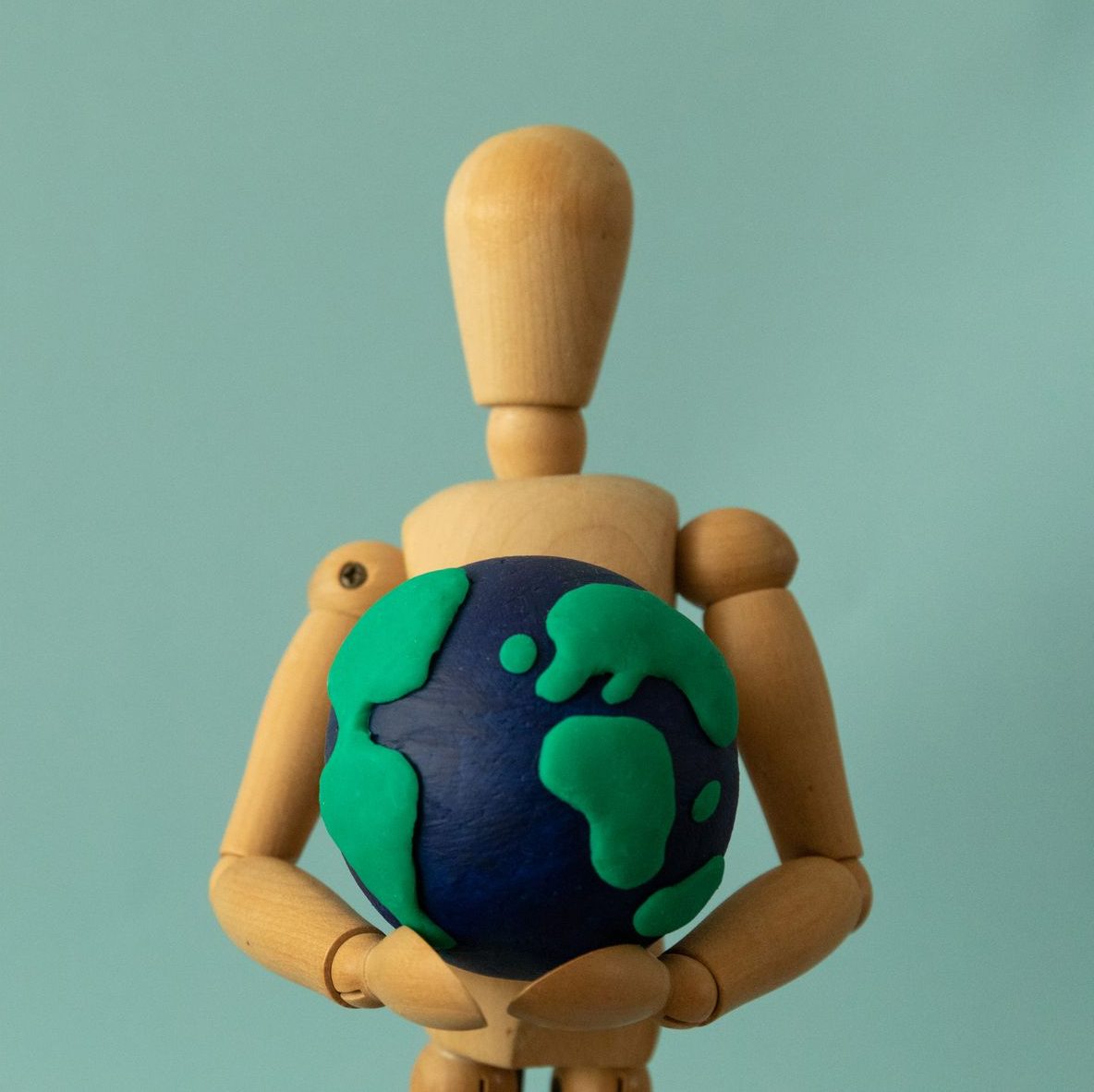
Profit: Still Important—But Not the Only Goal
Some people mistakenly assume sustainability means sacrificing profitability.
The Triple Bottom Line tells a different story.
Profitable businesses remain essential because they create employment, drive innovation, and contribute to economic development.
However, the most resilient organizations recognize that long-term profitability is strengthened—not weakened—by investing in people and protecting the environment.
Financial success and responsible business practices are not competing goals. They reinforce one another.
Why Measuring Sustainability Isn’t Easy
One insight from the article particularly resonated with me.
Measuring profit is relatively straightforward.
Measuring cleaner air, healthier communities, or stronger social trust is far more challenging.
There is no universal formula for calculating the Triple Bottom Line. Every organization must identify the metrics that best reflect its purpose, stakeholders, and context. The framework’s flexibility is one of its greatest strengths.
This reminds us that sustainability is not about achieving perfection. It is about making better decisions, tracking meaningful progress, and continually improving.
A Framework for Every Organization
One of the most encouraging aspects of the Triple Bottom Line is its versatility.
The Kelley School article illustrates how businesses, nonprofits, governments, and even cities have adapted the framework to evaluate projects and policies through economic, social, and environmental outcomes.
Whether you’re leading a multinational corporation, managing a startup, working in government, or running a community initiative, the principles remain the same:
- Create economic value.
- Improve people’s lives.
- Protect the environment.
Success is strongest when all three move forward together.
My Reflection
Throughout my journey in banking, digital transformation, ESG, and sustainability, I’ve become increasingly convinced that the future belongs to organizations that think beyond quarterly results.
Leadership today isn’t just about delivering financial performance.
It’s about building trust. Creating inclusive growth. Protecting natural resources.
And leaving behind a legacy that future generations will be proud of.
The Triple Bottom Line reminds us that every decision has ripple effects—economic, social, and environmental. When we consciously consider all three, we move closer to creating businesses that are not only successful but truly sustainable.
Perhaps the next time we ask, “How successful are we?”, we should also ask:
- Are our people thriving?
- Is our planet healthier because of our actions?
- Are we creating value that will endure for generations?
If the answer is yes, then we are measuring success the right way.
Because the best businesses don’t just generate profits—they create lasting value for people, planet, and prosperity.

